
Bennett's Servicing and Plumbing
Septic Tank Maintenance
in Jervis Bay
- Comprehensive septic services
- After hours emergency call-outs
- Family-owned
Introduction
Jervis Bay Septic Tank Maintenance
A well-maintained septic system works quietly in the background—until something goes wrong. Without regular attention, even the best systems can become blocked, overflow or fail altogether. That’s why proactive maintenance is key, especially in areas like Jervis Bay where coastal conditions and sandy soils can impact performance.
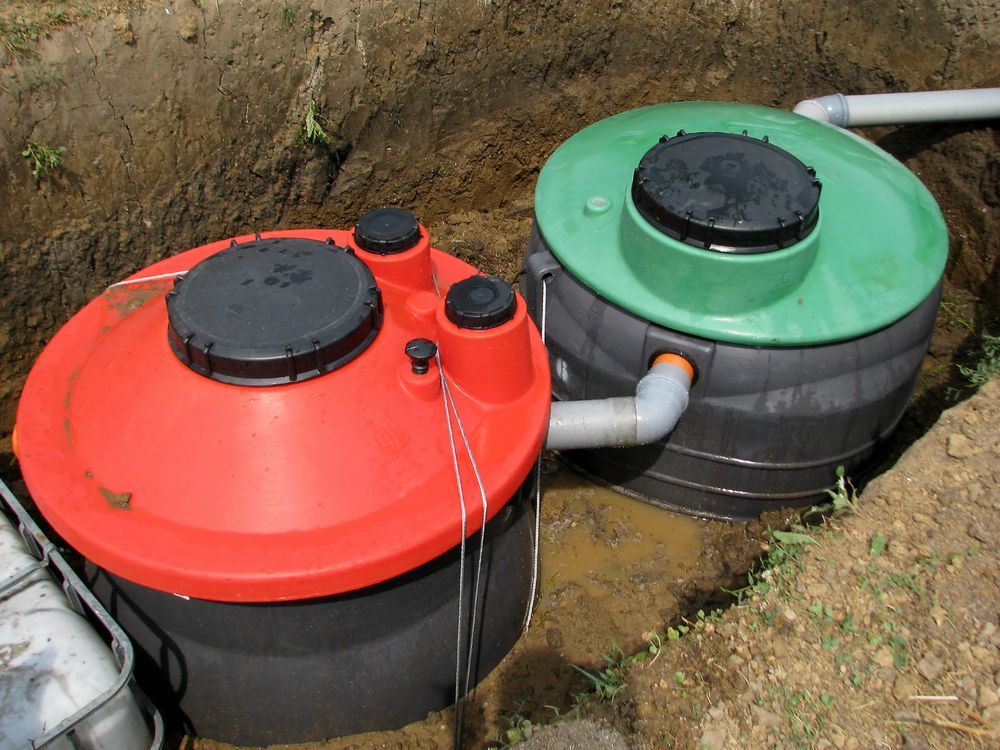
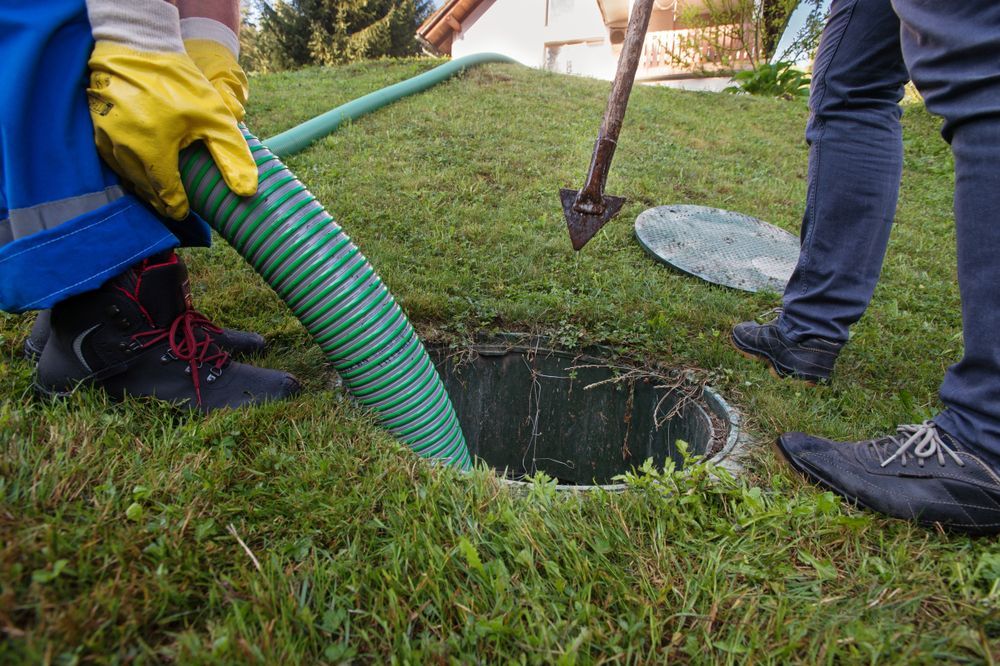
At Bennett’s Servicing and Plumbing, we carry out thorough septic tank maintenance to keep things running smoothly year-round. We check sludge levels, inspect key components, test ventilation and identify early warning signs before they become big issues. We complete council-required quarterly servicing to keep your system operating safely. Whether you live locally, manage a rental or use your property seasonally, we tailor our service to match your setup. We also install new tanks and assist with pump connections, irrigation outlet links and filtration upgrades.
For reliable, local support you can count on, call Bennett’s Servicing and Plumbing on
(02) 4411 1086.
Get a Quote in Jervis Bay
Contact Us
Thank you for contacting Bennett's Servicing and Plumbing.
We will get back to you as soon as possible.
Oops, there was an error sending your message.
Please try again later.
Who We Are
About Bennett's Servicing & Plumbing
Bennett’s Servicing and Plumbing is a local, family-run business delivering practical water and plumbing solutions across Jervis Bay and the wider South Coast. From septic systems and pumps to filtration and rural plumbing, we do the work properly and explain things clearly. We’re hands-on, efficient and committed to helping our customers keep their properties safe, functional and well-maintained all year round.
What we do
What’s Included in Our Septic Service?
Every property is different, but the fundamentals of septic care remain the same. Whether you're living off-grid, near the bush or by the coast, we take a thorough and practical approach to every job—with no shortcuts and no guesswork. Here's what’s included in each septic maintenance service:
- Full System Health Check
We examine signs of wear, odour and poor flow to assess how well your system is working in current seasonal or coastal conditions. - Component Inspections
Our team checks lids, seals, inlet/outlet pipes and filters to ensure nothing is cracked, blocked or letting in groundwater. - Drainage Area Assessment
We evaluate soakage efficiency and surface condition, especially important in sandy or sloped sites where drainage can fluctuate. - Preventative Guidance
You’ll receive tailored advice based on site layout, occupancy and tank type—including how to prep your system between stays.
Need Help?
Frequently Asked Questions
Is septic care different for part-time or holiday homes?
Yes—systems in seasonal or low-use properties can become imbalanced due to infrequent flow and bacterial die-off. It's important to schedule periodic check-ups and water flushes to keep things running smoothly, even during off-peak months. Before a long stay, make sure the system is functioning and the tank isn’t near full.
What’s the role of bacteria in a septic tank?
Bacteria breaks down solids and organic waste inside the tank. Without healthy bacteria, waste builds up quickly and can clog the system. Everyday cleaners, antibiotics or bleach can harm these bacteria. Using septic-safe products and avoiding harsh chemicals helps maintain this natural balance and keeps your system operating as intended.
Can landscaping impact septic system performance?
Definitely. Roots from trees or large plants can damage pipes and tanks, while compacted soil from driveways or heavy objects can affect the drainfield. It’s important to keep these areas clear and allow good airflow and water absorption. Simple landscape planning helps prevent future plumbing damage or costly drainage repairs.
How do I find out where my septic tank is located?
Property documents, council records or building plans usually note the tank's location. If not, a licensed plumber can help locate it using probes or scanning equipment. Knowing where your tank is helps with maintenance, avoids accidental damage during yard work, and ensures future servicing is quick and accessible.



